What Do You Do When Your Toilet Is Clogged?

A clogged toilet is one of those household problems that can turn a normal day into a small crisis. You flush, expect the toilet water to swirl away, and instead, you’re left with a toilet bowl that fills higher and higher. Whether you’re dealing with minor clogs or stubborn clogs, the most important thing is knowing what to do quickly, using the right tools, and avoiding damage to your plumbing system.
Below, we’ll cover the following methods to clear a clog, starting with simple methods and working toward the last resort options.
First Step: Stop the Water Flow
If the water level is rising fast, locate the shut-off valve behind or beside the toilet and turn it clockwise. This prevents overflow. If you can’t reach it in time, lifting the tank lid and closing the toilet flapper with your hand can also stop the water. This is your first place to start before attempting any unclogging.
Use a Toilet Plunger the Right Way
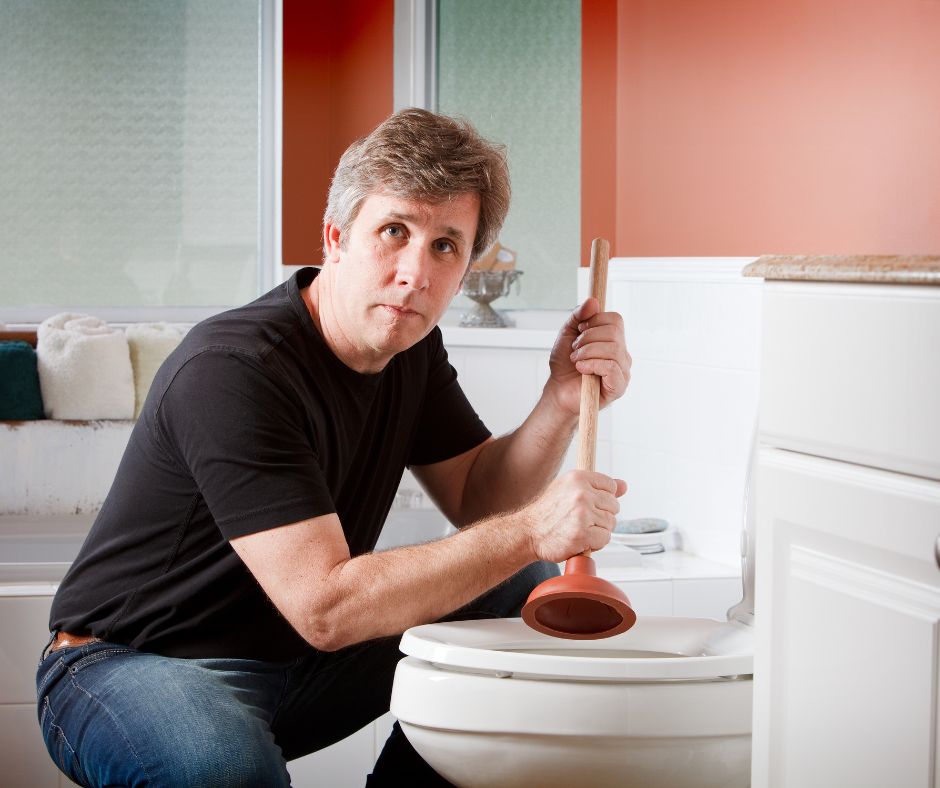
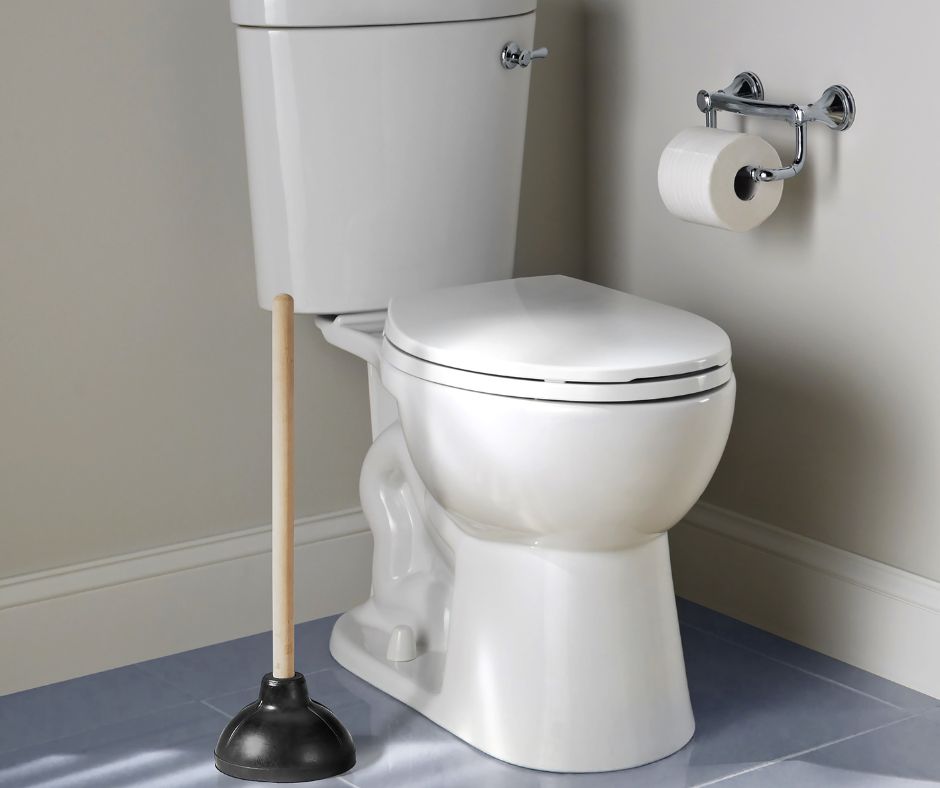
A toilet plunger is still the best way to fix many toilet clogs. For best results, choose a flange plunger or funnel-cup plunger rather than a flat sink plunger. The rubber part of the plunger should form a good seal around the drain hole.
Here’s how to get a better seal:
- Add enough water to cover the plunger cup fully.
- Place the plunger and give a gentle first push to remove air.
- Then pump firmly for 15–20 seconds.
- Pull up sharply to break the seal.
If the clog starts to drain, flush once to test. For partial clogs, you may need to use the plunger a second time.
Try a Toilet Auger or Closet Auger
When a plunger isn’t enough, a toilet auger (also called a closet auger) can reach deeper into the toilet drain. This tool is designed specifically for toilets, unlike a generic plumbing snake. Insert it into the bowl, crank the handle to push through solid waste or foreign objects, and then retract it to remove the blockage.
If you suspect a solid object—like feminine hygiene products, baby wipes, or non-flushable items—this tool is often the best way to remove it without damaging the porcelain.
Warm Water and Soap Method
For minor clogs, warm water and dish soap can work wonders. Pour a cup of dish soap into the bowl, let it sit for 10–15 minutes, then slowly add a gallon of hot water (not boiling—boiling can crack the bowl). The slickness of the soap, combined with the force of the water, can move organic material along.
You can also try a chemical reaction method by adding a cup of baking soda, followed by cups of vinegar. This homemade drain cleaner can fizz through organic material and human waste without resorting to chemical drain cleaners.
Wire Coat Hanger for Shallow Clogs
If you don’t have a toilet snake or closet auger, a wire coat hanger or wire hanger can be bent and wrapped with a plastic bag to protect the porcelain. Push gently into the drain hole to dislodge foreign objects. This is a good idea only for clogs you can feel near the entrance—don’t force it deeper, or you could scratch the toilet.
Watch Out for Common Causes
A common cause of toilet problems is too much toilet paper, especially in households with small children who like to test the limits of the low-flow toilet. Other blockages come from sanitary products, paper towels, baby wipes, and feminine hygiene products—all non-flushable items. These should always go into garbage bags, not the bowl, to prevent future clogs.
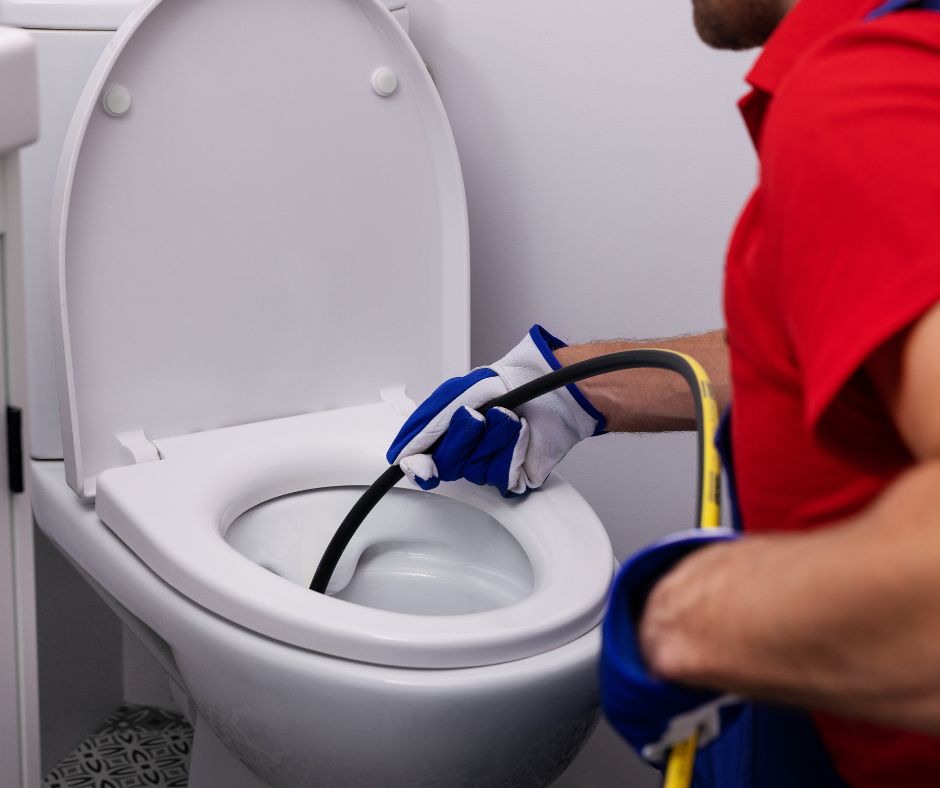
When Else Fails, Call a Professional
If you’ve tried the above and the clog won’t budge, it’s time to call a professional plumber. A team of experts with exceptional services can inspect the sewer lines, septic tank, or septic system for a severe clog. They have handy tools—like industrial drain snakes and drain stoppers—to handle persistent clogs and keep your own drain running smoothly.
Professional help is significant if:
- The clog keeps coming back (persistent clogs)
- You have multiple drain clogs in the house
- There’s sewage backing up into the tub or sink
- You have an older plumbing system with fragile pipes
A membership with HomeMembership will help offset the cost of plumbing problems, so be sure to check into our plans if you’re having frequently clogged toilets.
Preventing Future Clogs
The best way to avoid a clogged toilet is prevention:
- Use less toilet paper
- Never flush non-flushable items or sanitary products
- Teach small children what can and can’t be flushed
- Keep handy tools like a funnel-cup plunger in the bathroom
- Schedule inspections of your septic system or sewer lines
A great way to protect the bowl is to keep a toilet brush nearby so you can break up organic material before flushing. Also, make sure your water supply and toilet tank are functioning properly—slow water flow can leave debris behind, leading to partial clogs.
The Last Resort
If you’ve tried plungers, augers, warm water, DIY methods, and even a wire hanger, and you still have a clog, the last resort might involve removing the toilet entirely. This lets you reach clogs caught in the trap or sewer lines. While it’s possible as a DIY project, the severity of the clog often makes professional help the safer choice.
The first step with any clogged toilet is not to panic. From a quick fix with a plunger to a thorough cleaning with a closet auger, you have plenty of simple methods before calling for professional help. With the right tools and a little patience, even stubborn clogs can usually be handled without flooding your bathroom—or your day—with trouble.
And remember—the most important thing you can do is prevent future clogs by being mindful of what you flush. That way, you can keep your plumbing system healthy and your bathroom drama-free.
Frequent toilet clogs and plumbing issues can get expensive fast. With a HomeMembership plan, you’ll have peace of mind knowing repairs and service calls are covered. No fine print, no surprises—just reliable protection that keeps your home running smoothly.
Related Posts