
When Is the Best Time to Mulch Your Lawn?

Mulching is one of those simple lawn care tasks—but timing, technique, and the type of mulch you use can make or break your efforts. So, when is the best time of year to mulch your lawn and garden beds? If you’re aiming for a healthy lawn and thriving flower beds, knowing when and how to mulch is just as important as doing it.
The Best Time to Mulch: Early Spring or Late Spring?
A general rule of thumb is that early spring to late spring is the optimal time to lay down a fresh mulch layer. By this point, the soil temperature is warming, and new growth is emerging. Waiting until after the last frost, but before the heat of early summer, ensures your mulch does what it is supposed to: trap soil moisture, block weed seeds, and protect the roots of herbaceous plants.
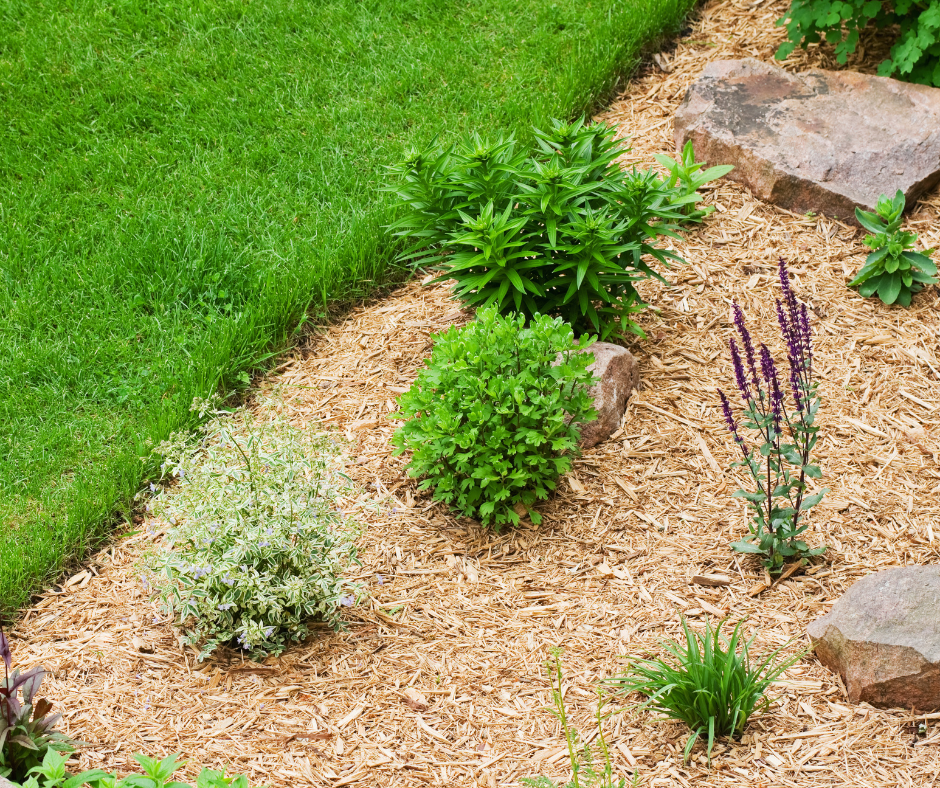
Late spring is ideal in most regions, but keep an eye on weather conditions if you’re in central Texas or North Carolina. Warm, dry weather can arrive earlier in southern states, so your mulch jobs might need to happen sooner.
Why Mulch in Spring?
Spring mulching helps your lawn and garden beds stay moist and cool as temperatures rise. It also keeps weed growth down before it gets out of control. Applying the right amount of mulch—generally a thin layer of mulch, about 2–3 inches—is a good practice that encourages healthier plants and reduces soil erosion during heavy rain.
What About Fall or Early Winter?
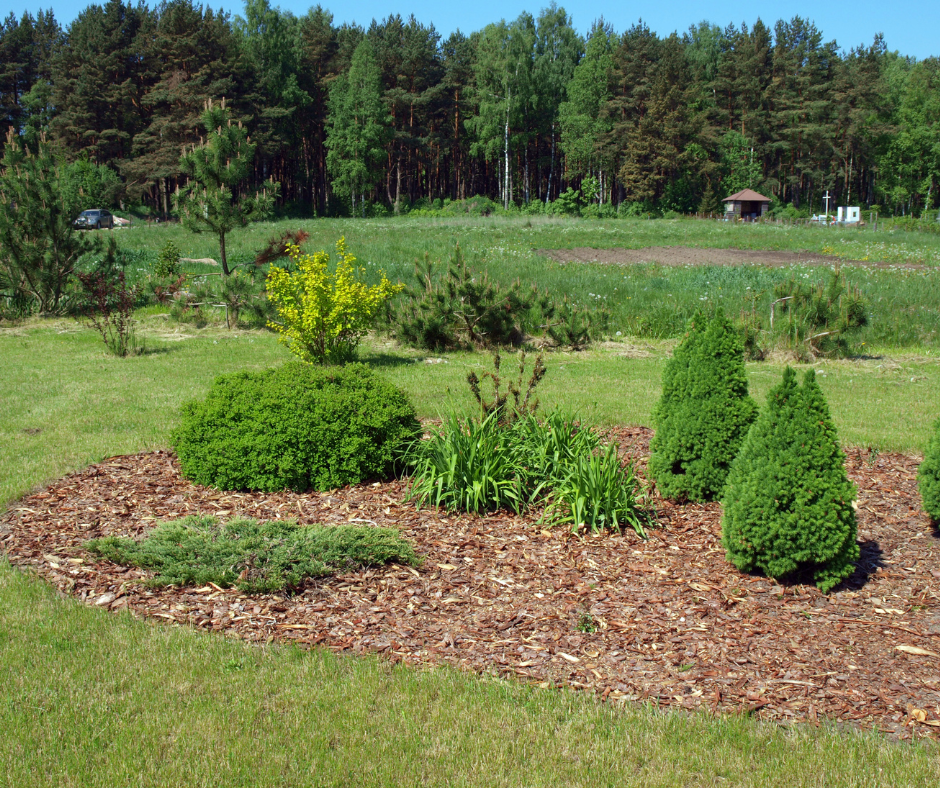
Some folks prefer mulching in early winter to insulate the soil before it freezes. That’s a better idea for tree roots and perennials, especially in colder climates. But for lawns and flower beds, spring is still the best time of year to lay down mulch for best results during the growing season.
Choosing the Right Type of Mulch
Not all types of mulch are created equal. Regarding organic material, you’ve got choices like wood chips, pine straw, grass clippings, and mulched clippings from your mower. These options break down over time, enriching the soil with essential nutrients and improving soil conditions.
Grass clippings and lawn clippings can be a better option if you use a mulching lawn mower or have a mulching kit on your lawn tractor. This method recycles grass blades back into the lawn—a great thing for feeding the soil and avoiding needing a collection bag.
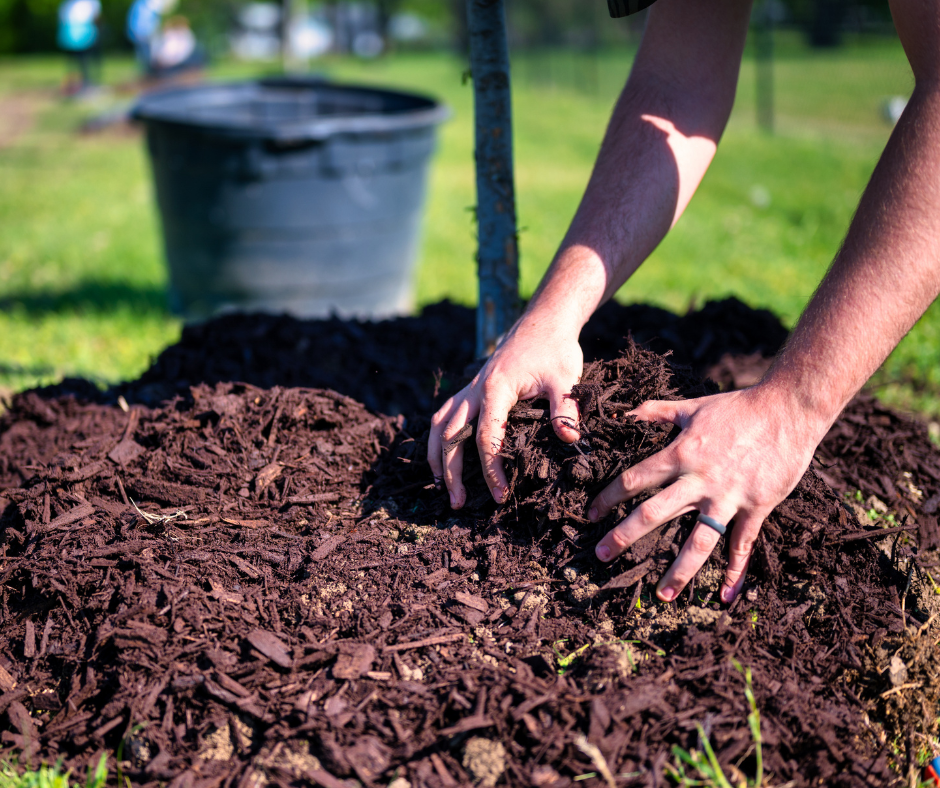
If you prefer inorganic mulches, options like rubber mulch, black mulch, and plastic sheeting are good choices for weed control, but they won’t improve soil moisture or provide organic matter. And be careful—too much mulch, especially of the wrong kind, can smother plant growth or encourage fungal disease.
How to Mulch Properly
Timing and material matter, but so does your method. Whether you’re using cordless lawn mowers with a mulching function or spreading new mulch by hand, here are a few tips for proper mulching:
- Remove old mulch from last year if it’s compacted or moldy.
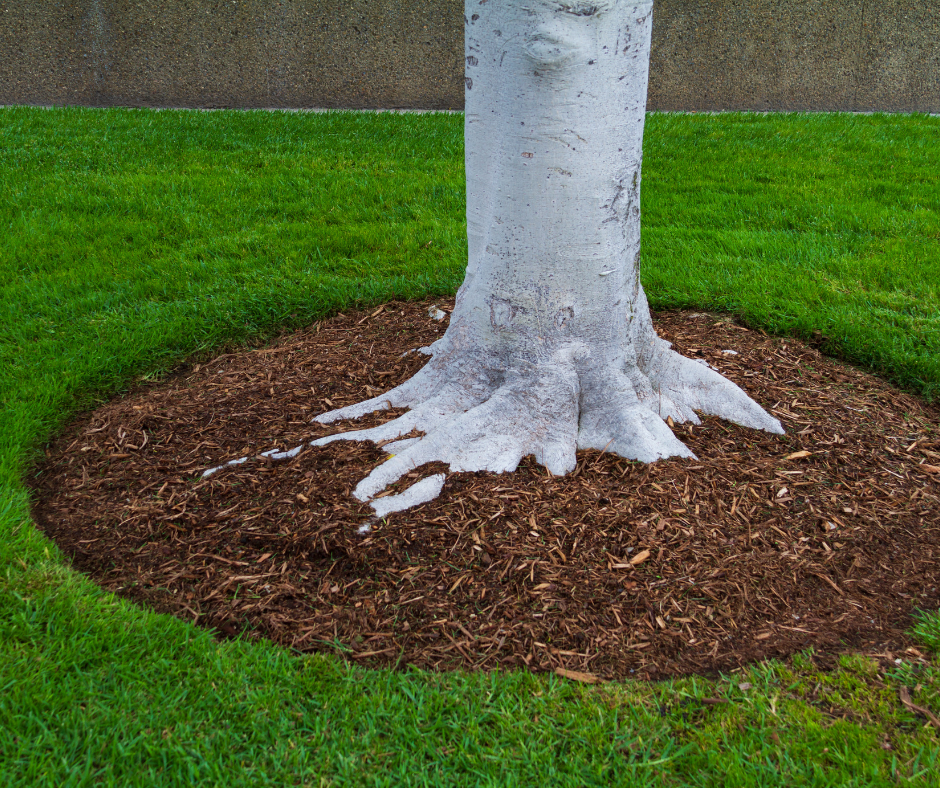
- Don’t let mulch touch plant stems—this can cause lawn disease or rot.
- Use landscape fabric underneath mulch in high-weed areas—but skip the plastic sheeting, which blocks airflow.
- Water before and after laying mulch to help it settle and trap moisture retention.
- Keep mulch about 2–3 inches deep—anything more can be harmful.
Watch the Weather
Mulching during dry weather is a good idea, especially before gentle rain. This allows your mulch to settle nicely without washing away. Avoid mulching during or just before heavy rain, which can cause erosion or nutrient runoff.
Don’t Forget the Compost Pile
If you’re dealing with excess mulch clippings or lawn clippings, consider adding them to your compost pile. They break down quickly and are a great source of organic material for future mulch jobs.
When Is the Worst Time to Mulch?
Avoid mulching in the winter months when the soil freezes, or in the late summer when the heat is at its peak. Mulch can trap heat and make the ground too hot, harming new lawns or delicate flower beds.
The best way to mulch your lawn or entire landscape is to work with the seasons. Aim for early to late spring, use organic material whenever possible, and avoid overdoing it. If it feels too much, you can call professional mulching services to get it done right.
When done correctly, mulching isn’t just a good idea—it’s the secret weapon to a healthy lawn, fewer unwanted weeds, and better times ahead in your garden.
Related Posts